
In Conversation with Iosif Gershteyn: The Future of Bispecifics

You’ve built your career across investing, company-building, and platform strategy, and are now applying that lens within the bispecific space. From that vantage point, how do you assess where bispecifics sit today in terms of therapeutic, commercial and long-term value creation opportunity for drug developers and patients alike?
I think bispecifics are entering the sweet spot of value creation. Monospecific antibodies and ADCs are reaching full maturity and diminishing marginal returns, and while cell and gene therapies are beginning to show their impact, the key safety and manufacturing challenges are still to be mastered. In that context, I believe bispecific antibodies will become the dominant therapeutic modality for the foreseeable future.
Therapeutically, the format unlocks extraordinary new capabilities. At ImmuVia, we’ve used it to generate a novel mechanism that finally realizes the therapeutic potential of extrinsic apoptosis - something that has eluded the field for a quarter of a century. We trust that will translate into real potency with far less collateral damage for patients.
How have you seen the bispecific, multispecific and T-cell engager space evolve since your first involvement in the field, and what have been the key milestones along the way?
When I first got close to the field a decade ago, immuno-oncology appeared to have most of the promise, T-cell engagers turning once-lethal leukemias into treatable disease, a wave of approvals across blood cancers, and the push into solid tumors and beyond simple T-cell bridging. Yet I still recall being stunned by a talk from Dana-Farber showing that the strongest predictor of outcome, for both chemotherapeutic and immunotherapeutic approaches, was simply a patient’s health status at initiation; the survival curves were almost identical across modalities. Since then the field’s attention has shifted several times, and I believe the moment has finally come for bispecifics to take center stage.
Your team at ImmuVia is developing a new class of targeted biologics that selectively activate DR5-mediated apoptosis in tumors. What do you see as the biggest shortcomings of previous DR5-targeted drugs and other targeted cancer therapies, and how does ImmuVia’s selective targeting platform address those limitations?
The DR5 story mirrors what my colleagues lived through in the ADC field; a promising, exciting approach that accumulates successive clinical failures, is left for dead, and is then overturned into breakthrough success by the tenacious few who kept believing. The team behind the first prototypes of Kadcyla experienced exactly that at ImmunoGen, and their persistence ultimately catalyzed the entire ADC field, which now dominates the mindshare of oncology. We’re fortunate to have that same brain-trust at ImmuVia, once again breaking through what was thought to be impossible.
The biology is elegant: engage the death receptor, cluster it, and the tumor cell triggers its own death. But first-generation DR5 agonists couldn’t cluster the receptor strongly enough to work, while the newer, more potent versions clustered it indiscriminately, trading efficacy for toxicity. A genuine Catch-22: efficacy versus safety. ImmuVia breaks that trade-off by activating the pathway conditionally, delivering safety via selectivity without compromising efficacy.
You’ll be delivering a talk at the World Bispecific Summit this year, focused on designing a payload-free approach for tumor killing through MUC16-guided DR5 superclustering. Could you provide a sneak preview of the perspective you’ll share, based on the work of ImmuVia?
The core idea is simple; you don’t always need a payload. No chemotherapy warhead, no recruited immune cell - just the tumor’s own self-destruction machinery, switched on with precision. We use a tumor marker, MUC16, as the trigger: only where that marker sits on a cancer cell does our molecule cluster DR5 densely enough to ignite the apoptotic cascade. Healthy cells are spared. So the talk is really about a completely new class of drugs we call Cancerlysins™, molecules that use the tumor antigen not as a delivery vehicle for a toxin, but as part of an integrated mechanism that ablates cancer cells by reawakening a pathway present in every cell yet kept dormant in tumors.
Finally, going into the 17th World Bispecific Summit, why are you excited to be involved in the meeting and what do you hope to achieve as part of this dedicated community?
I’m deeply honored to present to such an accomplished and expert audience that I’m proud to count as peers. The people in the room at this summit have lived the history of this field, which makes it exactly the right place to present and pressure-test something genuinely different. I’m hoping to meet potential partners and collaborators who appreciate the approach and the data behind it, and to start real conversations about where the field can go from here.
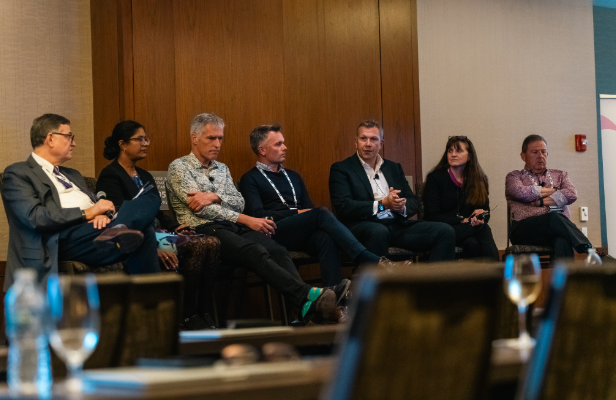
Discover the 2026 Agenda
Catch the latest industry breakthroughs, emerging trends and exclusive insights by participating in our dynamic roundtables and panel discussions.
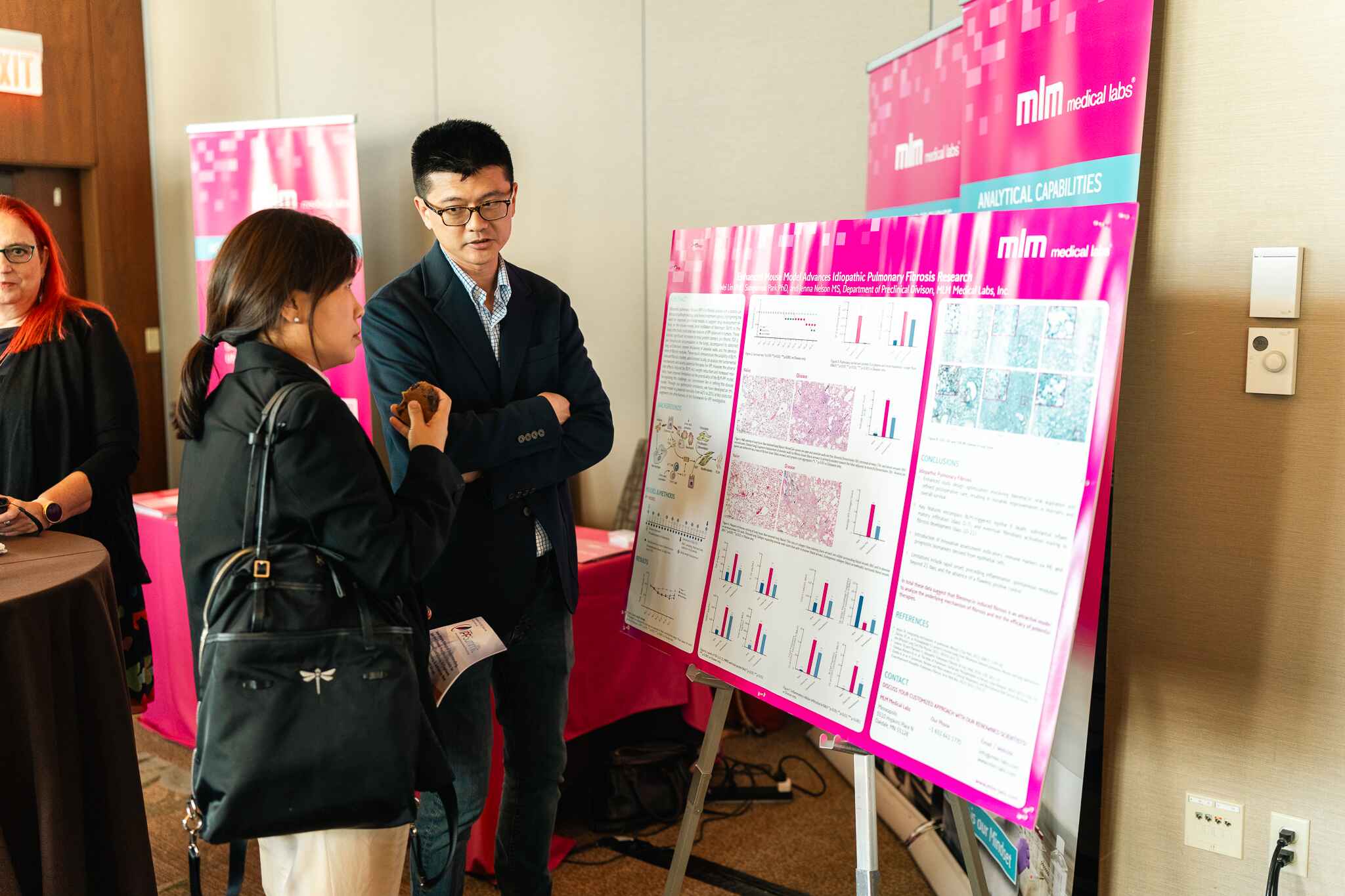
Partner With Us
As the field rapidly expands and matures, position yourself alongside leading solution providers to ensure your brand stands out as a premier choice amid growing competition.
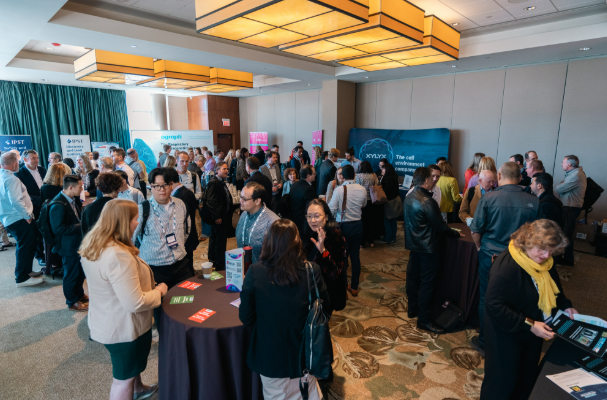
Join Your Community
Immerse yourself in critical conversations with like-minded experts spanning all stages of R&D from target biology, antibody discovery and engineering to developability assessment and clinical development of bispecifics and build invaluable connections.